Culture is the soul of a city. Datong is a city renowned for its rich cultural heritage. Its long history and profound culture have shaped its unique identity among Chinese cities as a National Famous Historical and Cultural City and one of China's Great Ancient Capitals.
In recent years, under the development paradigm of the new era, the ancient capital of Datong has leveraged its distinct characteristics to promote urban transformation. By deeply excavating its cultural DNA and showcasing its time-honored humanities foundation, Datong has continuously achieved "cultural breakthroughs." This has enabled the ancient city to radiate unprecedented modern charm with a fresh cultural image, winning broader attention and vast opportunities. Consequently, the cultural pride of Datong's people grows stronger by the day, and their resolve to build an internationally renowned tourist destination has become even more firm.
Datong: An Ancient Chinese Capital of Profound Heritage
"Datong is a city that has been severely misunderstood and underestimated" has become a common realization among visitors amidst their amazement. In the eyes of the world, Datong was for a long time defined primarily by its image as a "coal capital," which even obscured the profound history and brilliant cultural radiance of its status as one of China's first National Famous Historical and Cultural Cities. Yet through Datong's persistent efforts and dedication, the resounding voice declaring "Datong is vast and truly different" has finally echoed across the globe.
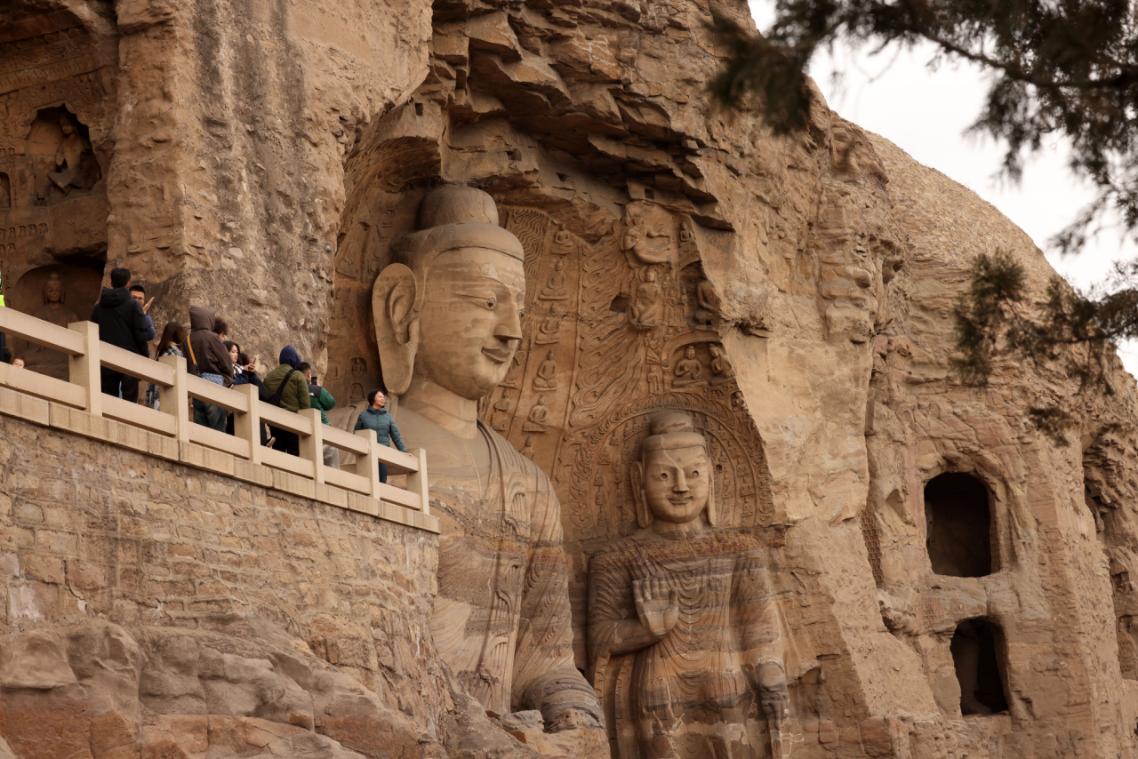
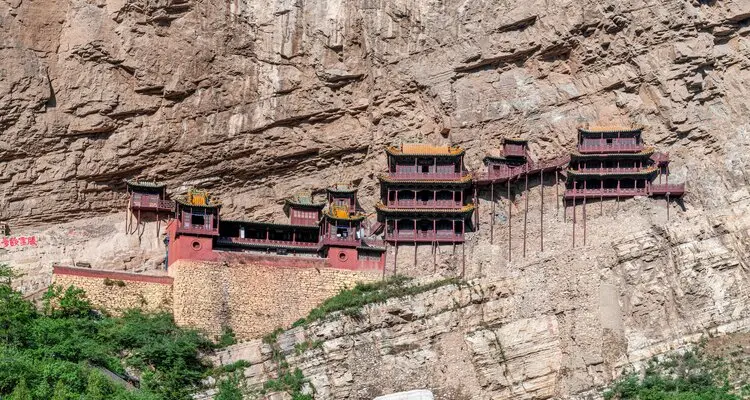
In 2024, the blockbuster video gameBlack Myth: Wukongtook the world by storm. Its breathtaking backdrops and game elements were drawn from 36 ancient architectural sites across China—27 of which are in Shanxi Province, with Datong alone accounting for 6: Yungang Grottoes, Hanging Temple, Yong'an Temple, Jue Shan Temple, Shanhua Temple, and Huayan Temple. This is merely a glimpse into Datong's splendid culture. With nearly a century as the capital of the Northern Wei Dynasty and over two centuries as a secondary capital during the Liao and Jin Dynasties, this "renowned fortress beyond the Great Wall" possesses an extraordinary royal grandeur. This grandeur not only illuminates the magnificent majesty of the Yungang Grottoes and the sublime craftsmanship of Huayan and Shanhua Temples, but is also deeply embedded within the very veins of the ancient city.
The ancient capital of Datong inherits a immensely rich cultural legacy gifted by its ancestors. As a strategic stronghold in the Han Dynasty, a imperial capital in Northern Wei, a secondary capital in Liao and Jin, and a military fortress in Ming and Qing, it preserves invaluable historical remains and has nurtured a broad and profound cultural foundation. Strolling through every corner of the city, one can trace the remnants of the Northern Wei, gaze upon the ingenuity of the Liao and Jin, touch the remaining warmth of the Ming and Qing, and feel the continuous, vibrant cultural legacy that has endured for over 2,300 years.
Datong’s cultural tourism resources are top-tier in China and truly world-class. The Yungang Grottoes, a UNESCO World Heritage Site, is one of the three major grotto complexes in China and a world-renowned treasure house of art. Datong's natural landscape features majestic terrain; Mount Heng (the Northern Mountain), famous at home and abroad for its cultural significance, is one of China's Five Great Mountains. Datong is home to numerous ancient temples and famous shrines. The thousand-year-old Liao and Jin temples—Huayan Temple and Shanhua Temple—house numerous masterpieces of ancient sculpture; the Hanging Temple is globally renowned for its precarious location, miraculous architecture, and ingenious structure.
Furthermore, the overall protection and key restoration of the ancient city of Datong have yielded remarkable results. Historic sites dot the city like stars; the ancient city walls stand towering and majestic; the Nine-Dragon Screen is unmatched in the world; the old streets and alleys brim with ancient charm, presenting a new scenic view with every step. The ancient Great Wall of Datong, a vital segment of the Great Wall of China, increasingly captivates people with its vast span, aesthetic beauty, comprehensive features, deep heritage, and vast, rustic, rugged splendor. In addition, Datong is a National Garden City with an excellent ecological environment. Its air quality comprehensive index, number of good air days, and proportion of excellent air quality have ranked first in Shanxi Province for many consecutive years. With an average summer temperature of 20°C and a relative humidity of 50%, it is widely celebrated as the "Cool Summer Capital."
Datong: A Famous Cultural City of Profound Depth
Datong's culture possesses profound inner richness, diverse expressions, and a unique charm. Viewed along the vertical axis of time, throughout its 2,300-plus years of civilization—especially during peak historical periods like the Northern Wei, Liao-Jin, and Ming-Qing dynasties—Datong accumulated and integrated the cultures of dozens of ancient ethnic groups. Viewed along the horizontal axis of space, Datong's historical treasures are world-class, including the Yungang Grottoes (a treasure of human civilization), Mount Heng (the Northern Sacred Mountain), the Hanging Temple (a global architectural marvel), the ancient city of Datong (rich in diversity and inclusion), and the vast, magnificent ancient Great Wall stretching across the landscape.
In terms of artistic expression, traditions of grotto art, architectural art, sculpture, murals, paper-cutting, and calligraphy have been passed down through generations. Titles such as "Capital of Chinese Sculpture," "Treasure House of Classical Architectural Art," "Hometown of Northern Wei Stele Calligraphy," and "Famous City of Chinese Murals" imbue every corner of this ancient and magical city with a rich cultural atmosphere. In terms of cultural representation, it encompasses Buddhist culture, frontier culture, military garrison culture, folk customs, urban street culture, and culinary traditions.
Datong is an inclusive city of cultural fusion. Looking up at the Yungang Grottoes, one is awestruck by its magnificent and imposing grandiosity; walking through the ancient city of Datong, one marvels at the pervasive spirit of tolerance and integration.
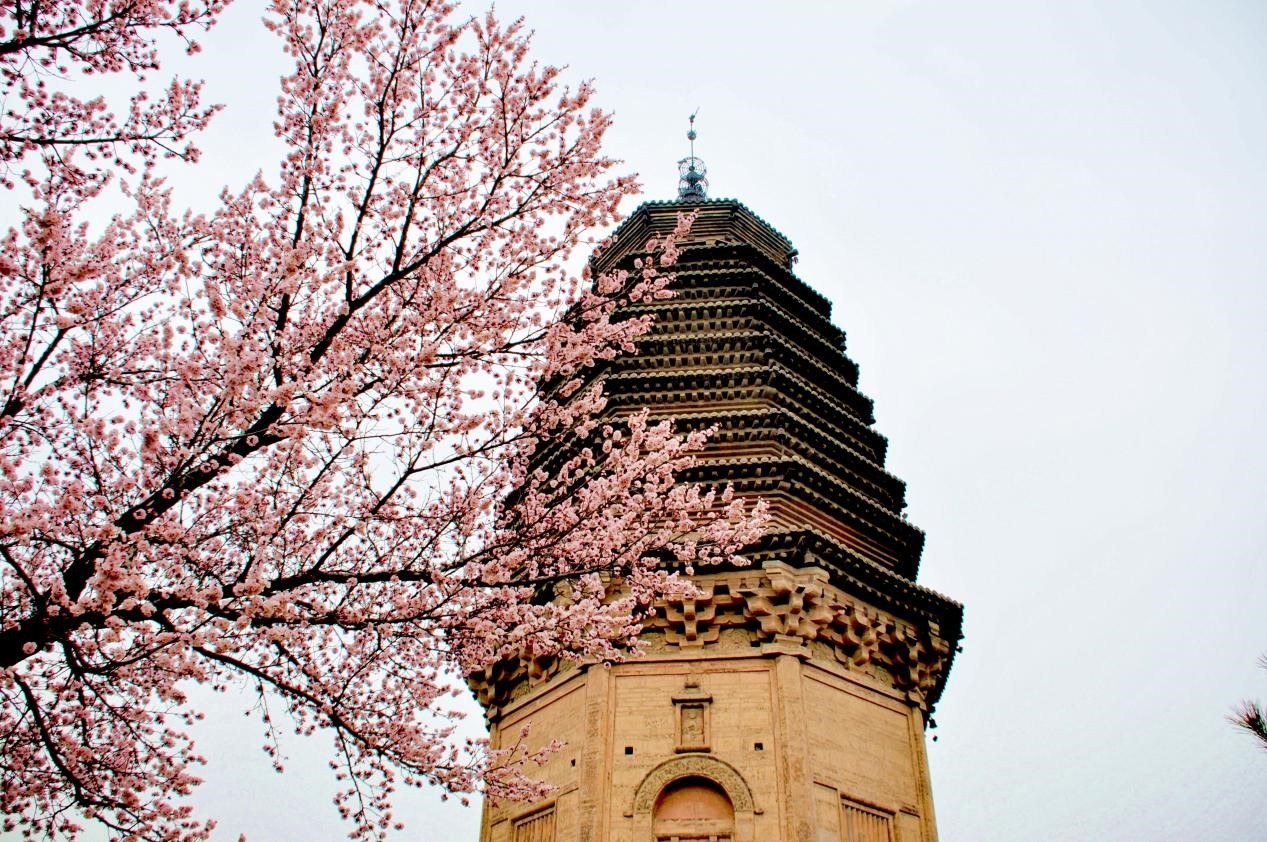
Among the ten ancient capitals currently recognized in China, Datong is the only one located beyond the strategic frontier passes, giving it a cultural temperament distinctly different from other ancient capitals. Situated between the Inner and Outer Great Walls, to its north lies the nomadic grassland culture, while to its south stretches the agrarian culture of the Central Plains. For thousands of years, this region served as an ancient battlefield where the Han people of the Central Plains and the nomadic tribes beyond the wall vied for dominance. The Xianbei, Turkic, Khitan, Jurchen, and Mongol peoples successively became masters of this land. In their pursuit of and integration into the Chinese nation, they created an exceptionally brilliant culture here. They built epoch-making masterpieces such as the Yungang Grottoes, Huayan Temple, Shanhua Temple, and the Sakyamuni Pagoda of Fogong Temple (Yingxian Wooden Pagoda, which shares the same cultural sphere). While absorbing the fine culture of the Central Plains, they forged a powerful spirit and demonstrated an open mind, becoming a distinct and iconic classic.
Datong: A City of Art Filled with Timeless Classics
Today, many tourists visiting Datong prefer in-depth travel. With a spirit of exploration and reverence, they focus on beholding the numerous cultural and artistic classics left by this ancient capital over its long history, completing a soul-nourishing cultural journey.
Datong has innumerable architectural wonders that make visitors pause and gaze in admiration, serving as bridges connecting modern tourists with the spirit of the ancients. Huayan Temple and Shanhua Temple, located within the ancient city of Datong, are two of the eight surviving Liao Dynasty timber structures in China. The Main Hall (Daxiong Baodian) of Huayan Temple covers an area of 1,559 square meters, making it the largest single ancient religious building in China; despite enduring nearly a millennium, it remains sturdy, solemn, rustic, and grand. On the roof ridge of the Main Hall sit two pairs of giant glazedChiwen(roof ornaments) standing 4.5 meters high, the largest extantChiwenin China. Inside the Bhagavat Sutra Hall sits a heavenly palace pavilion of exquisite craftsmanship, hailed by the famous architect Liang Sicheng as a "unique treasure under heaven."
Shanhua Temple is one of the largest and most complete Liao and Jin dynasty architectural complexes surviving in China. It is also the only temple in the country that features three hip-roofed (Wudingtong) buildings, preserving four Liao and Jin structures with immense historical and cultural value. The Hanging Temple at Mount Heng, originally built during the Northern Wei Dynasty, is globally famous for being "precarious, miraculous, and ingenious," and is acclaimed as one of the "World's Top 10 Most Dangerous Buildings." Every visitor who climbs it marvels at this timeless architectural miracle and the supreme skill of ancient craftsmen. In the ancient capital of Datong, there are many other ancient architectural masterpieces that leave visitors lingering, such as the Guandi Temple from the Yuan Dynasty, the Ming Dynasty Drum Tower, as well as Ciyun Temple in Tianzhen, Yong'an Temple in Hunyuan, and Yunlin Temple in Yanggao.
Datong is praised as the "Capital of Chinese Sculpture." Spanning more than 1,000 years from the Northern Wei to the Qing Dynasty, Datong's sculptures form a heavy volume of art history with no missing eras. The sculpture classics in the ancient capital are vast in number and profound in meaning, leaving viewers speechless in admiration. Datong's classical mural art is equally breathtaking. Inside ancient shrines like Huayan Temple and Shanhua Temple, one can see magnificent murals depicting Buddhist stories painstakingly painted by ancient artisans. These epic works feature delicate techniques, rigorous composition, fluid lines, vivid imagery, and expressive characters. Painted with traditional fine-brush heavy-color (Gongbi Zhongcai) techniques using mineral pigments, they remain vibrant and unfading despite centuries of weathering. Yong'an Temple and Yunlin Temple have been praised by experts as possessing "gorgeous, epic-level murals."
Pingcheng (ancient Datong) was the birthplace of the Northern Wei Stele (Wei Bei) calligraphy, brimming with exquisite masterworks. Northern Wei Stele calligraphy "inherited Han Dynasty official script above and paved the way for Tang Dynasty regular script below," exerting a profound influence on the development of later Chinese calligraphy and possessing extraordinary artistic value and historical significance. As the origin of Northern Wei Steles, Datong completely preserves the early natural innocence, forceful momentum, and unpretentious elegance of stele carving. With its rustic, heavy artistic style and solemn aesthetic appeal, it presents its own unique historical, cultural, and contemporary significance.
Datong is striving to build a "City of Museums." People praise Datong as an "open-air museum without walls." Owning numerous classical architectural masterpieces, Datong truly qualifies as an "Ancient Architecture Museum," "Ancient Sculpture Museum," and "Ancient Mural Museum." It is also called a "Great Wall Culture Museum" due to its rich Great Wall culture and historical relics.
Furthermore, Datong's numerous thematic museums offer visitors immense surprises. In recent years, Datong has continuously advanced its "City of Museums" initiative, steadily perfecting the museum construction system and increasing the total number of facilities. The categories encompass history, art, humanities, folk customs, revolution, science, and historical ruins. A multi-entity, optimized, distinct, and vibrant museum development system has initially taken shape. Datong is committed to building a hundred museums, presenting a diverse, vivid, and lively cultural tapestry that allows visitors from around the world to deeply experience Datong's rich spiritual essence and unique humanistic vibe. Today, the cultural brand of the "City of Museums" has become a vital symbol showcasing the cultural heritage, humanistic quality, and historical atmosphere of the ancient capital.
Today, amid the wave of transformation for resource-based cities, Datong is achieving a cultural breakthrough through continuous cultural revitalization. By deeply tapping into its urban cultural resources, creatively telling the Datong story, and redefining its city image, Datong is empowering itself across multiple dimensions through city cultural branding—making the cultural identity of this ancient capital ever more outstanding and unique.
(Source: Datong Daily | Reporter: Shi Yongtao)