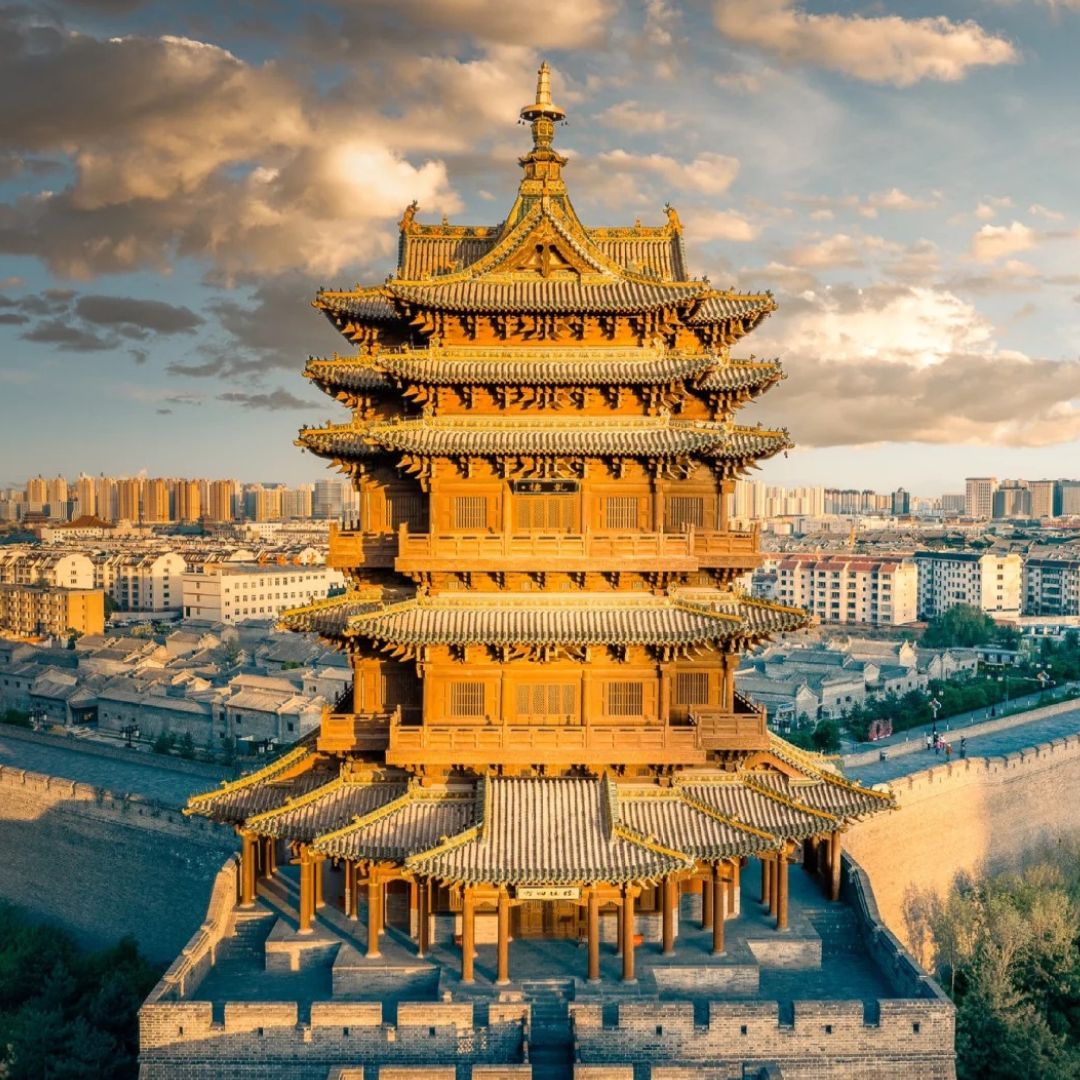
Experience Datong: Must-See Sights & Travel Tips
Datong, known historically by names such as Yunzhong, Pingcheng, and Yunzhou, is often referred to as the “Coal Capital of China.”
It ranks as the second-largest city in Shanxi Province and holds the status of a Type II large city.
This city is celebrated as one of China’s first national historical and cultural cities and one of its nine ancient capitals.
Datong: A City of Ancient Capitals
Datong isn’t just another historic city—it has witnessed the rise and fall of dynasties, shaping China’s past for centuries. Its legacy as a political and cultural powerhouse makes it a must-visit for history lovers!
-
Capital of the Northern Wei Dynasty – Over 1,500 years ago, Datong thrived as the center of power, giving rise to the magnificent Yungang Grottoes, a masterpiece of Buddhist art.
-
A Royal Hub for Multiple Dynasties – From the Dai State to the Liao, Jin, and early Yuan Dynasties, Datong served as a southern or secondary capital, influencing trade, architecture, and culture.
-
A Living History Book – Walking through Datong feels like stepping back in time, with ancient temples, pagodas, and city walls telling the story of its imperial past.
Cultural Heritage Highlights
Datong is a treasure trove of history, packed with stunning sites that bring China’s rich past to life. From ancient temples to awe-inspiring grottoes, every corner tells a story!
-
Yungang Grottoes & Ancient City Walls – Marvel at the massive rock-carved Buddhas of Yungang, a UNESCO World Heritage Site, and stroll along Datong’s restored city walls for panoramic views.
-
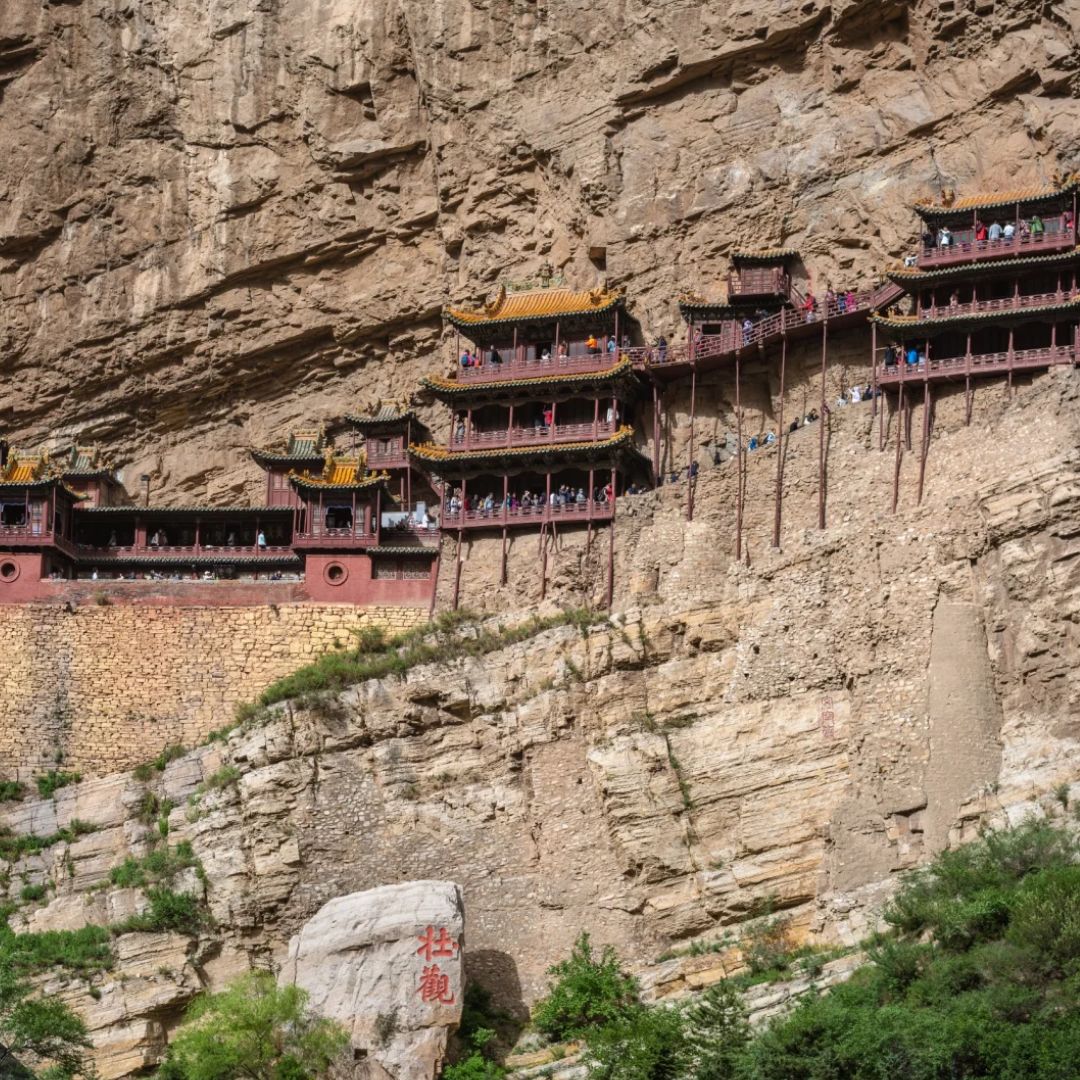
Temples & Sacred Sites – Visit the Huayan Temple, Shanhua Temple, and the iconic Hanging Temple, a gravity-defying wooden structure built into a cliffside!
-
Great Wall & Nine Dragon Wall – Walk along Datong’s section of the Great Wall and admire the Nine Dragon Wall, one of the largest and most beautifully preserved dragon screens in China.
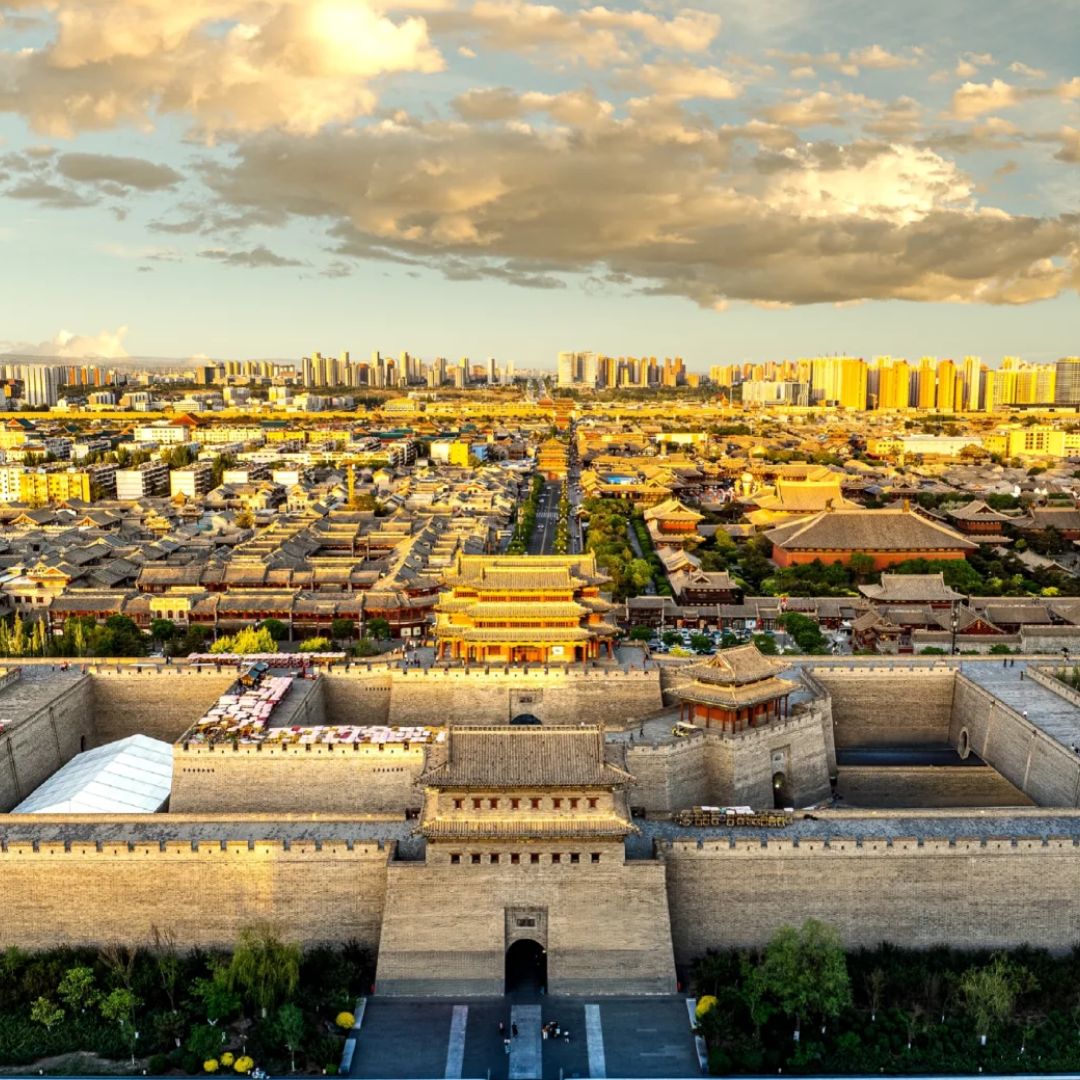
Datong’s Ancient Beginnings
Datong’s history stretches back over 2,000 years, evolving from a strategic military hub to an imperial capital. Its early roots reveal a fascinating blend of nomadic and Han Chinese influences.
-
Originally Known as Pingcheng – Established during the reign of King Wuling of Zhao, this city played a key role in China’s northern frontier.
-
A Shift in Military Tactics – It was here that King Wuling introduced the nomadic-style clothing, horseback riding, and archery that revolutionized Chinese warfare.
-
A Historic Battlefield – During the Han Dynasty, Datong (then Pingcheng County) witnessed the famous Siege of Baideng, a legendary standoff between the Han army and the Xiongnu nomads.
Northern Wei Legacy
During the Northern Wei period, Datong blossomed as a thriving capital, becoming a central hub for political and cultural development in ancient China. Its role as the northern counterpart to the Southern Dynasties shaped much of the region’s history.
-
A Peak of Power – As the capital of the Northern Wei, Datong stood at the heart of a unified state, which played a key role in the cultural exchange between northern and southern China during the Northern and Southern Dynasties.
-
Cultural Renaissance – This era saw artistic and architectural flourishing, with the creation of the Yungang Grottoes—one of China’s greatest treasures.
-
End of an Era – Datong’s time as the capital came to an end when Emperor Xiaowen moved the Wei capital to Luoyang, marking a shift in power dynamics that would shape China for centuries.
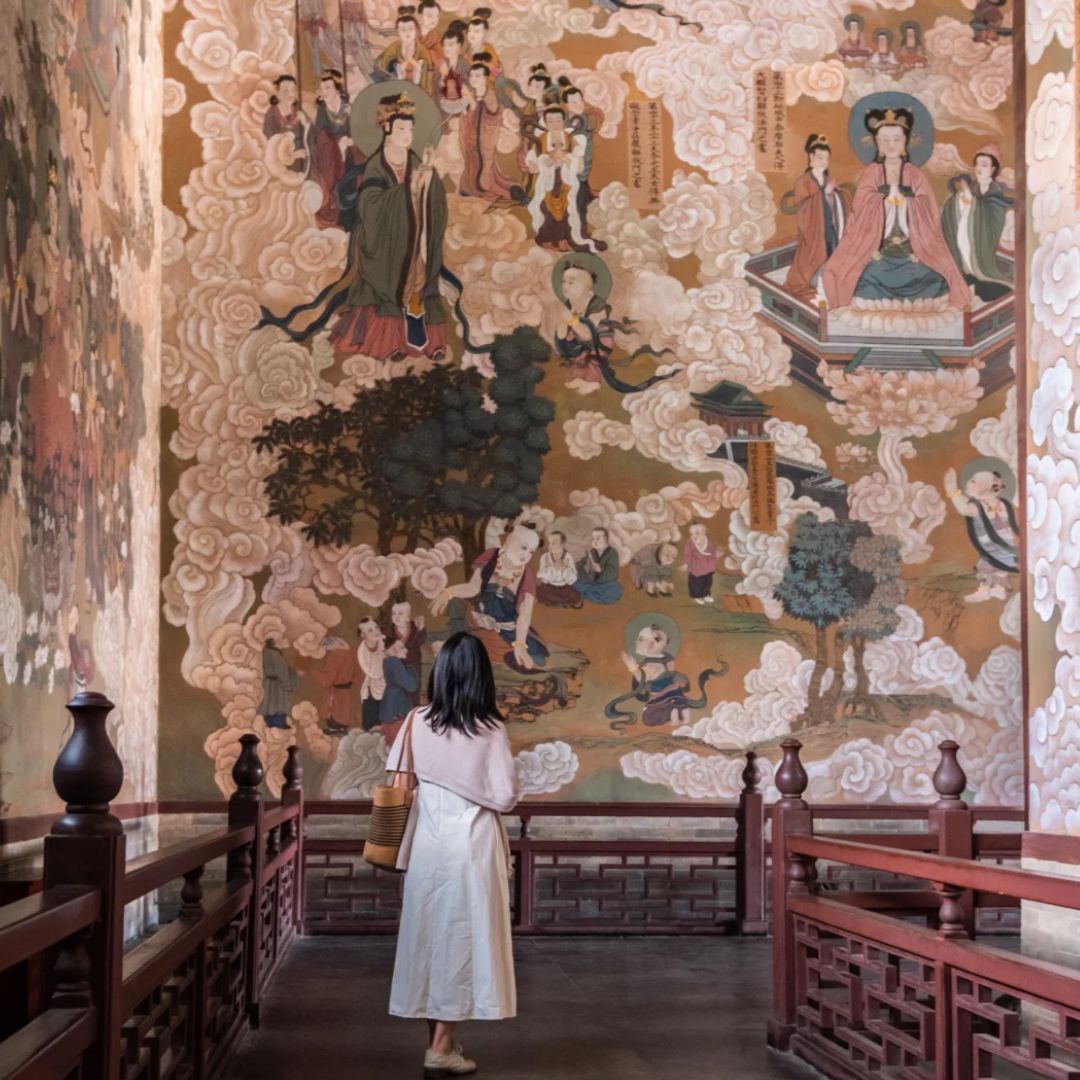
Tang and Song Periods
After its Northern Wei heyday, Datong—then known as Yunzhong—continued to play a key role during the Tang and Song Dynasties.
-
Military & Administrative Hub – During the Tang and Song periods, Yunzhong became a strategic location due to its proximity to key military routes. It played a crucial role during the transfer of the Sixteen Prefectures of Yanyun.
-
Liao Dynasty’s Secondary Capital – In the Liao Dynasty, Datong served as a secondary capital, further cementing its importance as a military stronghold and a regional administrative center.
-
Cultural Crossroads – The Tang and Song periods saw Datong continue to thrive as a melting pot of cultures, blending influences from nomadic tribes and settled empires.
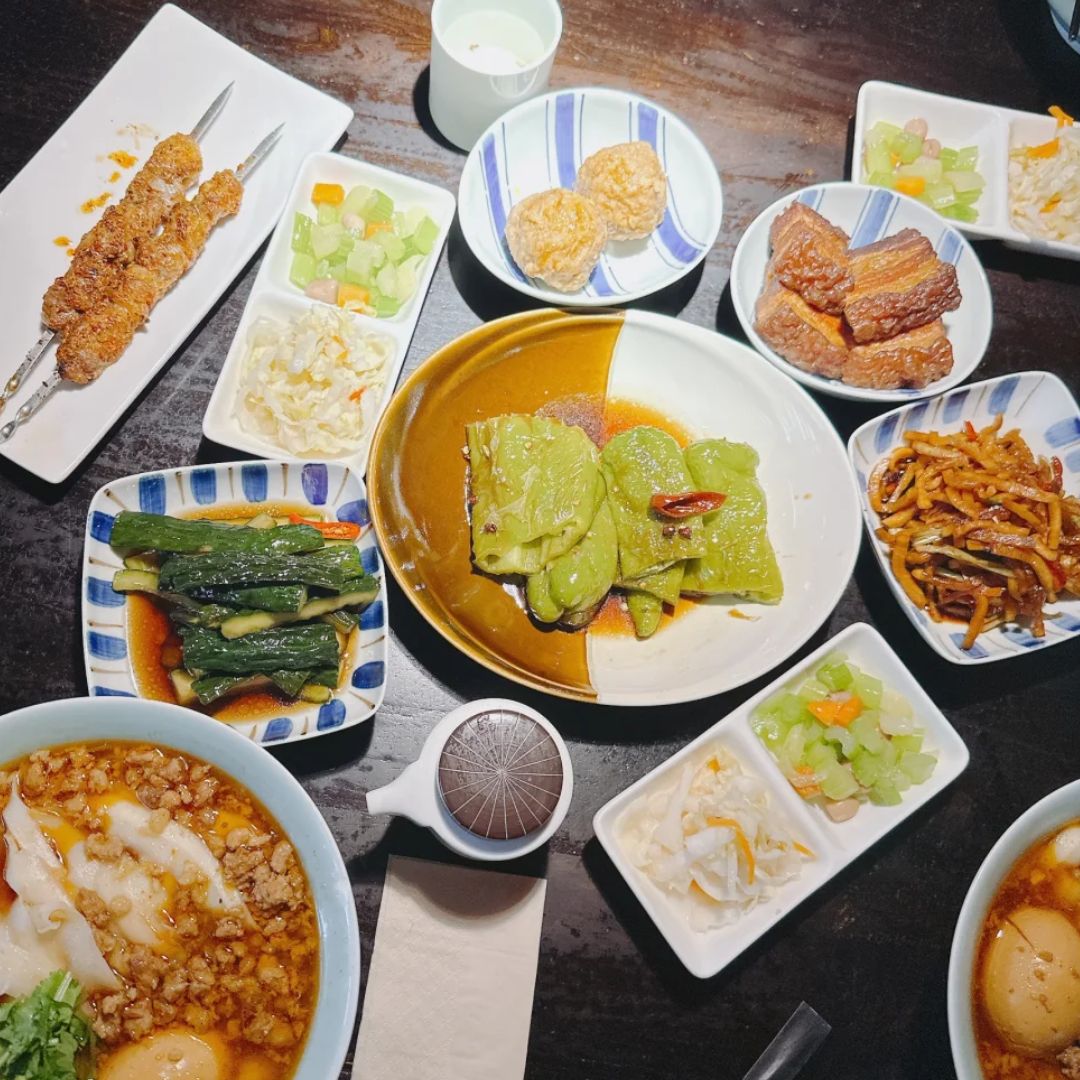
Datong Food Journey
For your first visit to Datong, sampling the authentic local cuisine comes highly recommended by the locals. Here are some must-try dishes:
-
Sliced Noodles: Unique to Datong, these hand-cut noodles offer a chewy texture that’s enhanced with aged vinegar, a local favorite.
-
Hunyuan Jelly: This cool, refreshing jelly is perfect for summer and best enjoyed with a dash of fragrant chili oil.
-
Oat Noodles: A staple in northern Shanxi, often served dipped in saltwater, these noodles are an acquired taste that becomes more appreciated with age.
-
Daylily Dishes: Nutritious and versatile, daylilies can be eaten cold, in noodle dishes, or stir-fried.
-
Braised Meat: A homestyle dish unique to Datong, offering a taste of local culinary traditions.
-
Sea Buckthorn Juice: A sweet and tangy drink high in vitamin C, great for a refreshing boost.
-
Fried Skewers: Datong’s take on skewers includes a delicious batter and seasoning with chili and cumin.
-
Sheep Offal and Fried Bread: A hearty local breakfast option that combines richly flavored offal with crispy fried bread.
Explore beyond the popular spots by visiting highly-rated local shops for an authentic taste of Datong’s culinary scene.
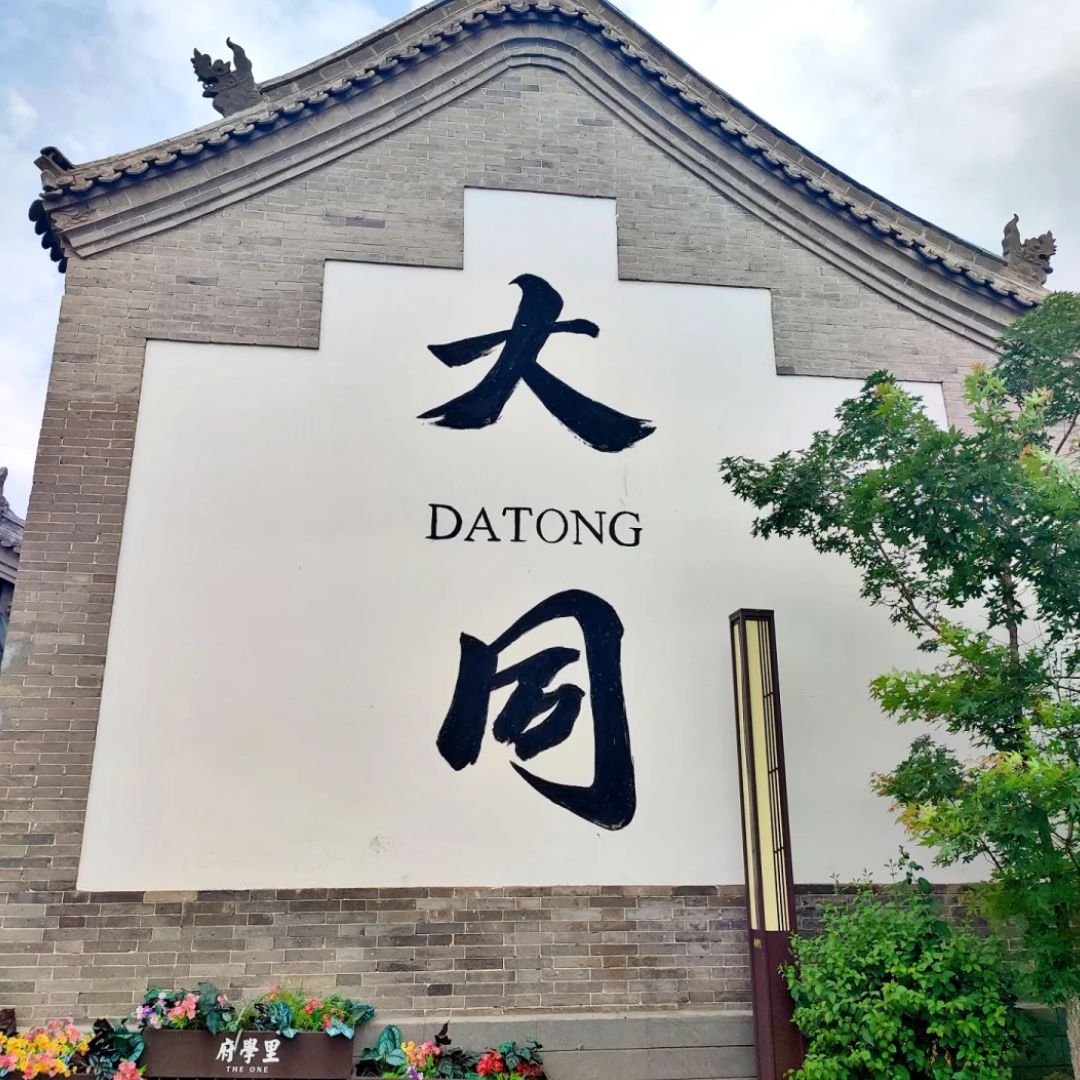
Transportation in Datong
Datong’s attractions are widely spread, making taxis both inconvenient and costly. Consider these five transportation strategies:
-
Self-driving is highly recommended for those with a driver’s license – it offers flexibility and comfort.
-
Chartering a Car: Ideal for families or groups of friends, with costs ranging from 600-800 RMB, making it economical when shared.
-
Group Tours: Best for one or two travelers, providing well-planned and cost-effective itineraries.
-
Direct Buses: Connect major sites like Datong Ancient City, the Hanging Temple, and the Yungang Grottoes. Find the Yungang Grottoes Tourism Direct Bus in the Little Orange app for just 39 RMB per person. Note: Schedules and stops are fixed.
-
Local Travel: In the city, opt for taxis or shared bikes, especially useful in the Datong Ancient City where many attractions are close but can be tiring to reach on foot.
Top Things to Do in Datong
Datong, a city steeped in history and culture, offers a treasure trove of sights that showcase its rich heritage.
From ancient Buddhist art in the Yungang Grottoes to the architectural wonder of the Hanging Temple, each site tells a unique story of China’s past.
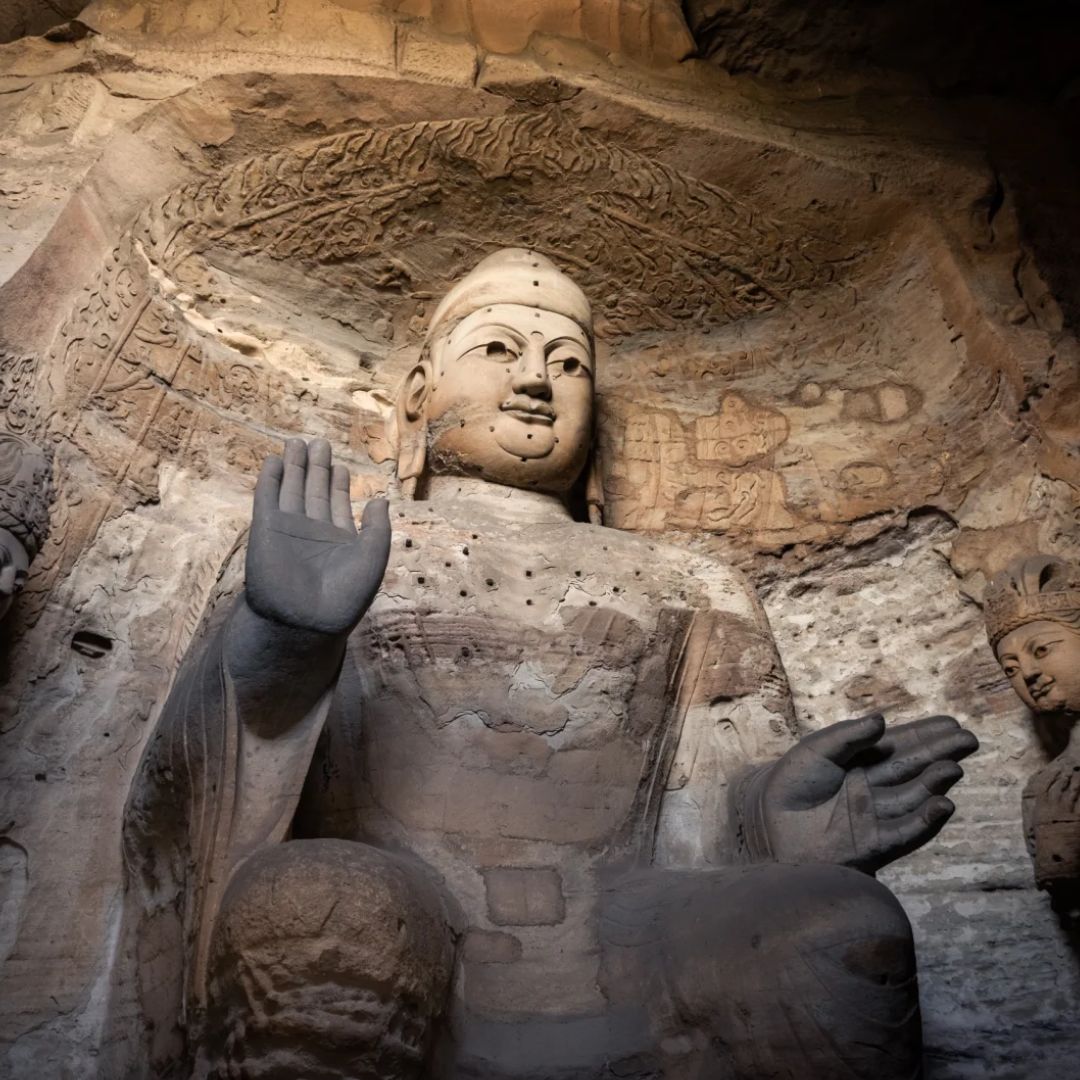
Yungang Grottoes Adventure: The Yungang Grottoes, China’s largest cave complex, began in 460 AD by the Buddhist monk Tan Yao. Today, they are divided into three areas, filled with intricately carved niches that create a stunning visual texture.
Hanging Temple Wonders: The Hanging Temple of Datong, known for blending Buddhist, Taoist, and Confucian elements, stands out for its construction that cleverly uses natural rock formations for support, showcasing advanced ancient engineering.
Wooden Pagoda Legacy: Ying County’s Wooden Pagoda, celebrated as one of the world’s architectural wonders, is the tallest and oldest wooden pagoda in China.
Its unique nail-less wooden construction has stood the test of time, surviving through centuries.
Mount Hengshan Exploration: Mount Hengshan adds to Datong’s allure with its serene landscapes and significant religious sites. A key part of the Five Sacred Mountains of China, it provides a perfect blend of natural beauty and spiritual significance.
Huayan Temple Heritage: Huayan Temple, rich in Buddhist history, is famed for its ancient scriptures and vibrant sculptures.
Once divided into two, the temple now serves as a unified site of cultural reverence.
Key Attractions in Datong Ancient City
-
Daiwang Mansion: Once a regal residence in Datong, Daiwang Mansion boasts exquisite architectural details and ornate decorations reflecting imperial grandeur. It’s a must-visit for those interested in royal Chinese history.
-
Nine Dragon Wall: This stunning wall is adorned with vivid, colorful tiles depicting nine dragons playing amongst the clouds. It’s a splendid example of traditional Chinese art and symbolism.
-
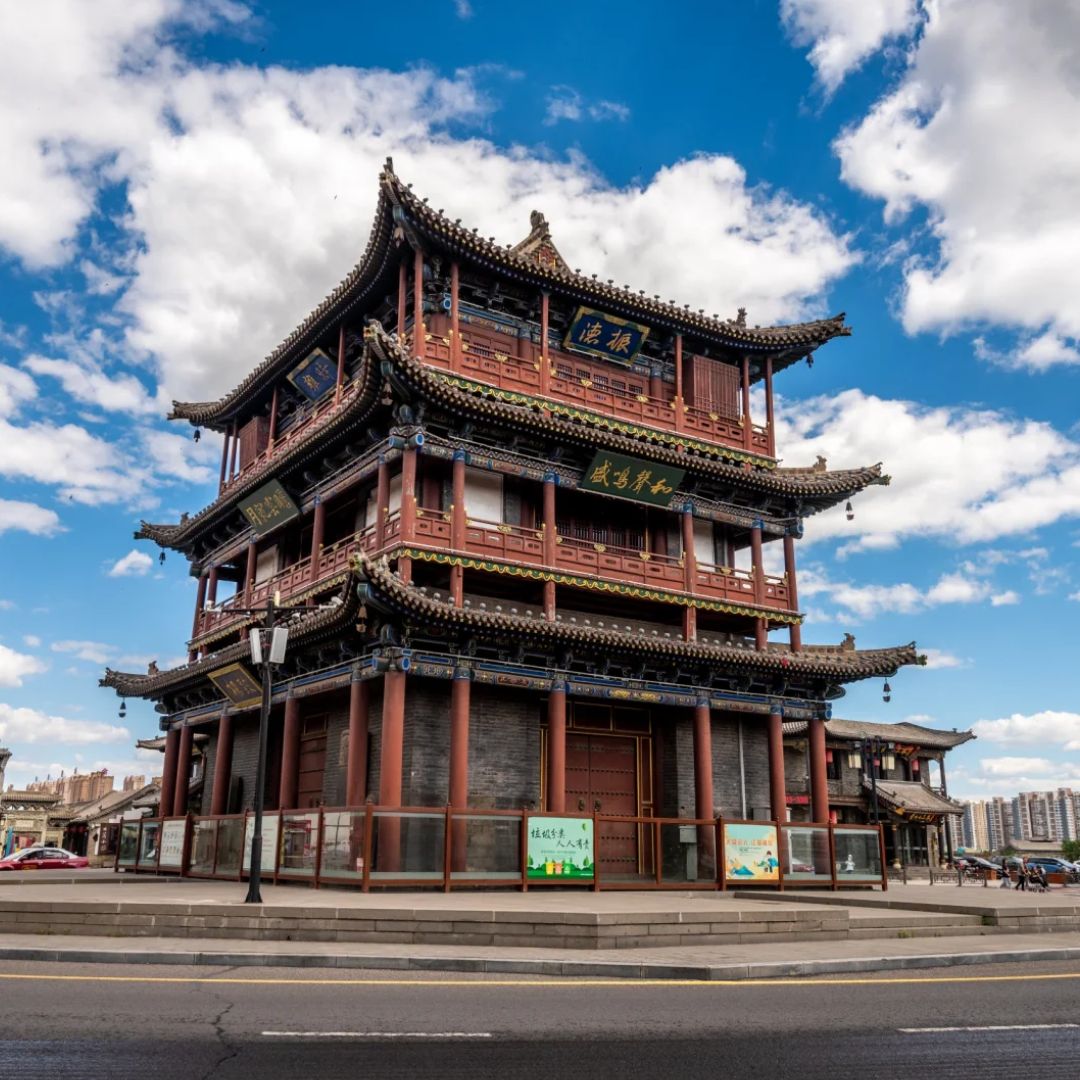
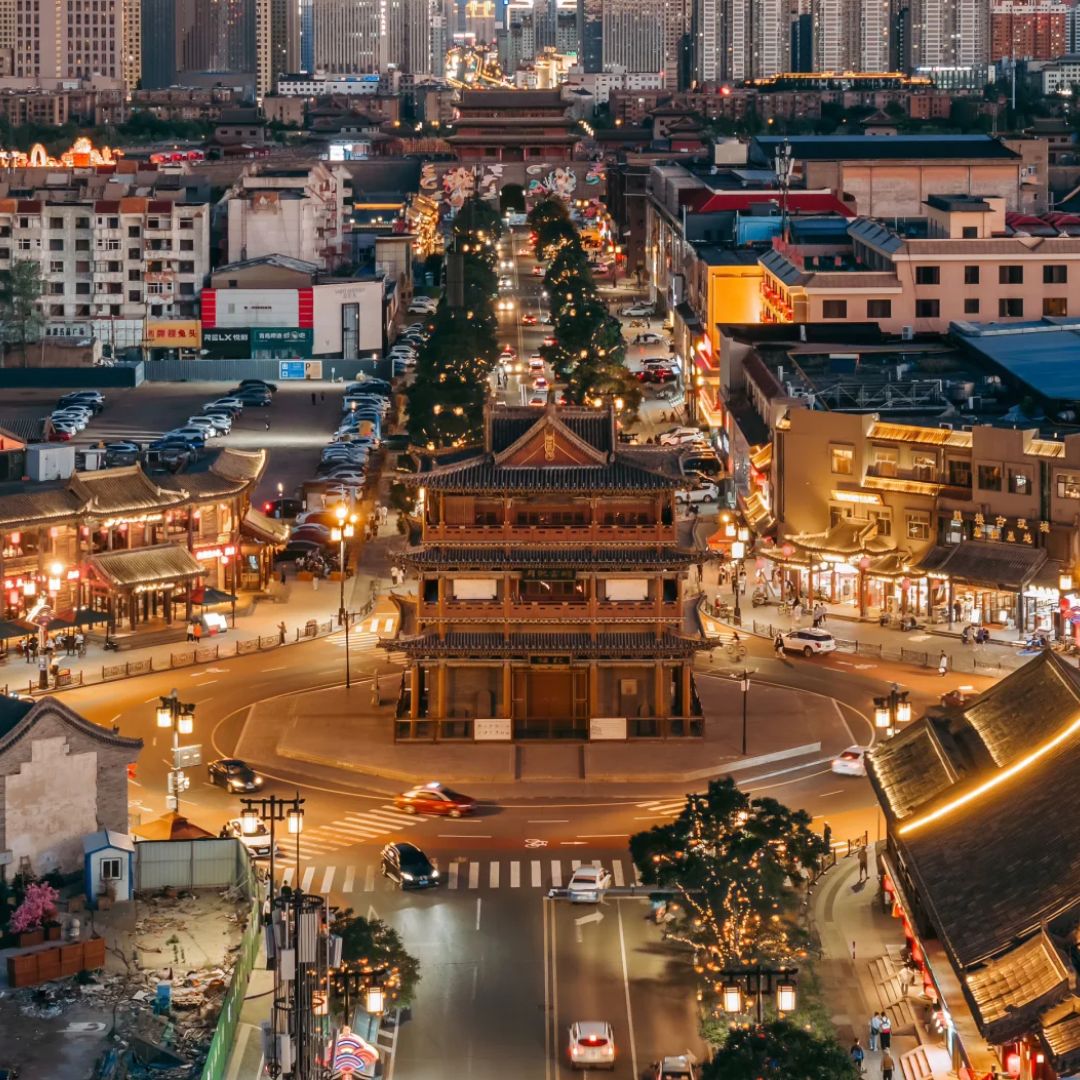
Datong Drum Tower: Standing at the heart of the city, the Datong Drum Tower is an iconic structure historically used to keep time. Its robust architecture and the cultural history it embodies draw many visitors.
-
Sipailou: Sipailou, or the Four-Arch Gate, serves as a grand entrance to many of Datong’s historical sites. Its imposing structure and traditional design are perfect for photo opportunities.
-
Bell Tower: Datong’s Bell Tower, a significant historical landmark, marks the center of the city. It features a large bell that was traditionally rung to signal the time and alert locals of emergencies.
-
Shanhua Temple: A prime example of Buddhist cultural heritage, Shanhua Temple houses ancient Buddhist statues and art. Its peaceful ambiance is ideal for reflection and offers a glimpse into spiritual practices.
-
Fahua Temple: Known for its beautiful frescoes and serene environment, Fahua Temple is a place of worship and contemplation. Visitors are drawn to its tranquil gardens and the detailed Buddhist teachings depicted throughout.
-
Guandi Temple: Dedicated to Guan Yu, a revered historical and divine figure in Chinese culture, Guandi Temple showcases traditional Chinese temple architecture and is a focal point for cultural festivities and rituals.
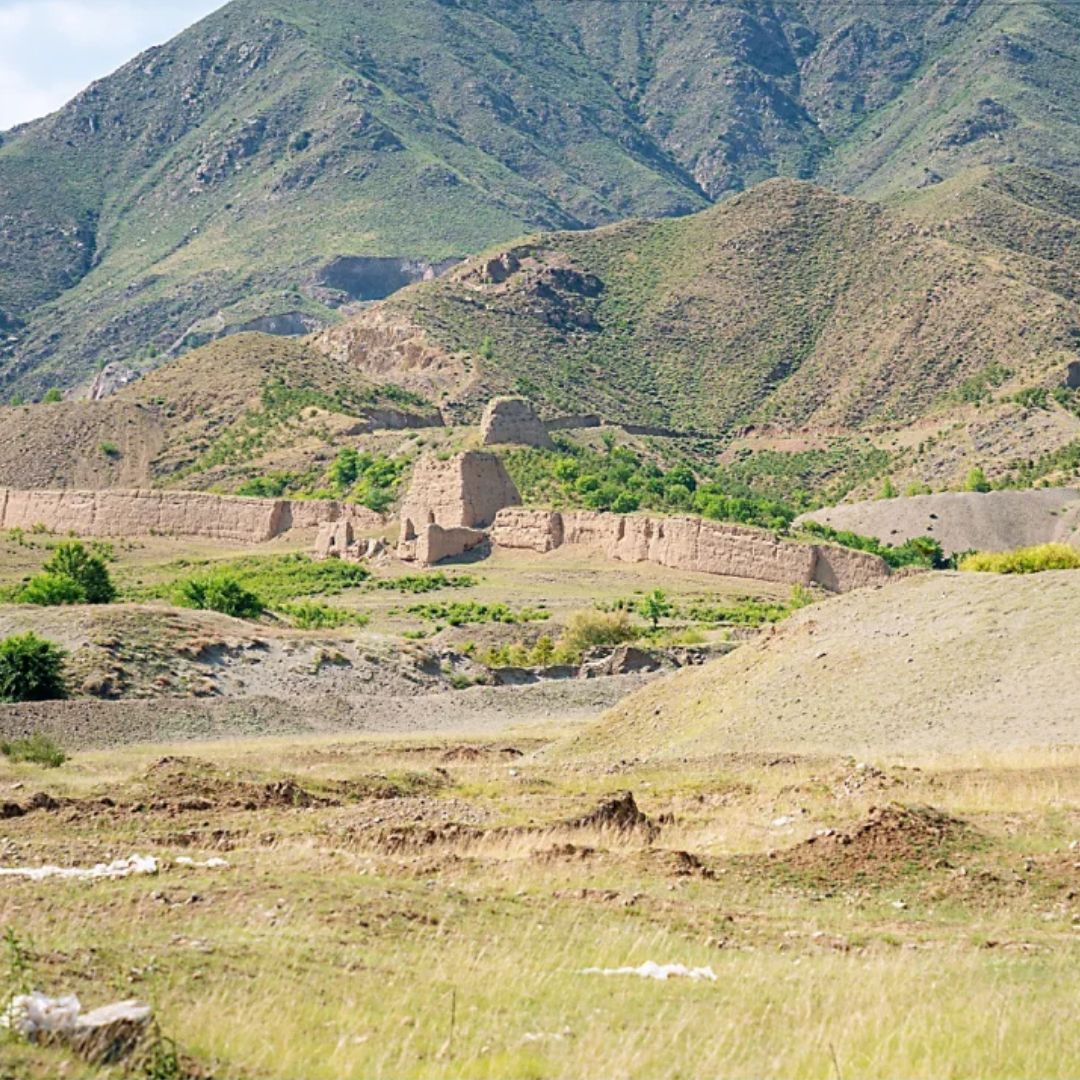
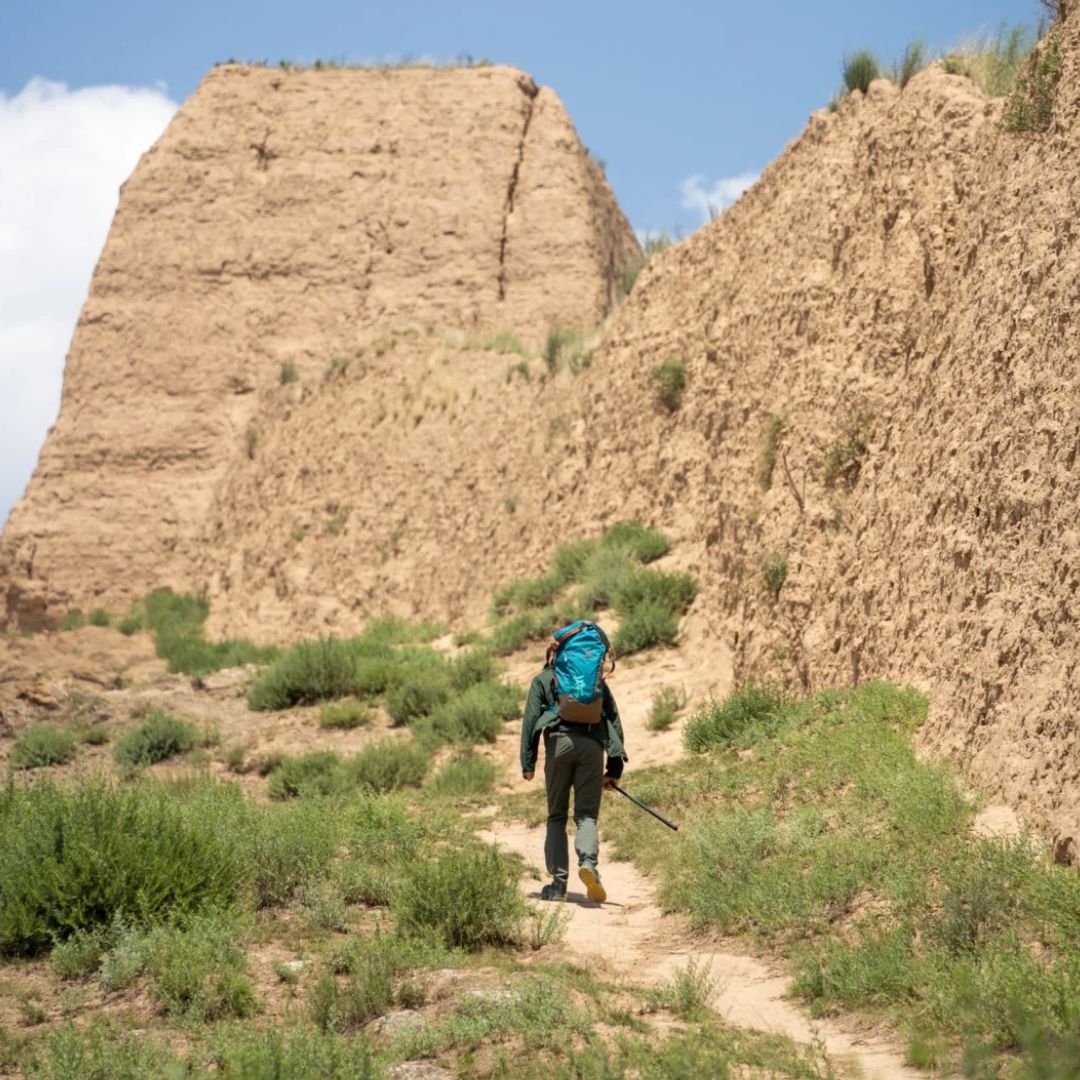
Great Wall No.1 Tourism Highway
A newly developed route, perfect for less crowded holiday sightseeing, spans 258 kilometers.
Free to explore, this route offers breathtaking views throughout the year: flower blooms in spring, lush greenery in summer, golden rapeseed in autumn, and snowy landscapes in winter.
Attractions along the way include ancient castles, ruins, and villages, rich in historical and cultural heritage.
Directions:
From Datong, navigate to Desheng Fort, where you can choose either the eastern or western routes.
-
Western Line: From Desheng Fort through Zhumabao to Yuehuachi, and then to Bataizi Church and Zhenning Arrow Tower.
-
Eastern Line: Starts at Desheng Fort and passes through Zhenchuankou to Zhenbian Fort and along to Great Wall Township and Shoukou Fort up to Li Erkou.
Scenic Spots Along the Route:
-
Zhenning Arrow Tower: A well-preserved large hollow arrow tower of the Great Wall.
-
Bataizi Church: A Gothic-style Catholic church tower alongside the Great Wall.
-
Yuehuachi: A unique mini-city built on the Great Wall.
-
Zhumabao: A historical Ming Dynasty garrison fort.
Tips for Travelers:
-
No restaurants are available en route, so bring your food and water.
-
Drones are allowed, providing a chance to capture the expansive views from above.
Recommended Hotels to Stay in Datong
It’s practical to stay in the old city where attractions are just a short walk away. Opt for a place on main roads like Yongtai Street, which are taxi-accessible and easier when carrying luggage. Walking through pedestrian zones can be challenging with heavy bags.
Fancy Option:
Datong Yungang Hotel – Dive into elegance at Datong Yungang Hotel! This spot is a haven of sophistication with all the comfy vibes you crave after a day of exploring. It’s like returning to a slice of paradise every evening! (500RMB-800RMB/night)
Middle Option:
-
Pipa Old Inn – A charming blend of classic and contemporary, nestled right in the heart of the action. It’s not just a place to stay; it’s an experience. (300RMB-500RMB/night)
-
Hanting Hotel (Datong Railway Station Ancient City Wuding) – Perfectly positioned for fun and convenience, this hotel combines modern amenities with a touch of Datong’s historic charm. (250RMB-500RMB/night)
-
Datong Dongxin Plaza Atour Hotel – Stylish and centrally located, this hotel is all about comfort and accessibility, ensuring a delightful stay with a dash of luxury. (300RMB-500RMB/night)
Budget Pick:
-
Fangtang Hotel (Fangte store of Datong South Railway Station) – This hotel is super affordable and super central, and it is your home away from home. Ideal for longer stays with everything you need right at your fingertips. (200RMB-250RMB/night)
-
Zhifang Gucheng Li Siheyuan Hotel (Gulou East Street, Gucheng Wall, Datong) – Experience the essence of Datong without breaking the bank. Cozy, comfortable, and right in the middle of everything cool!(150RMB-250RMB/night)
Beijing to Datong Route
Traveling from Beijing to Datong offers a glimpse into China’s rich history and diverse landscapes.
Here’s how you can efficiently make the journey, whether by high-speed train, to explore the ancient wonders of Datong.
1. High-Speed Train from Beijing to Datong:
-
Departure and Arrival: Take the G2529 high-speed train departing from Beijing North Station at 07:19 and arriving at Datong South Station at 09:28.
-
Tickets: You can purchase tickets online in advance through various apps or websites, or at the station. Make sure to have your identification handy, as it’s needed for ticket purchase and train boarding.
2. Taxi to Your Hotel:
-
Route: Once you arrive at Datong South, exit towards the taxi stand. A taxi ride to your hotel near the ancient city is about 12 km and typically takes around 20 minutes.
-
Cost and Tips: The taxi fare to the ancient city area should cost approximately 50-70 RMB, depending on traffic conditions. It’s wise to have the hotel address written in Chinese to show your taxi driver.
Additional Tips:
-
Planning: Check the train schedule and book your tickets ahead of time, especially during peak travel seasons.
-
Alternative Transport: If taxis seem inconvenient, consider pre-booking a private car service through a travel agency or your hotel for a more comfortable transfer.
By following these steps, you’ll enjoy a smooth and efficient journey from Beijing to Datong, making the most of your travel time.
FAQs
Q: What are the must-see attractions in Datong?
A: Datong is home to several world-renowned attractions.
Don’t miss the Yungang Grottoes with their impressive Buddhist sculptures, the Hanging Temple perched on a cliff, and the well-preserved walls of the ancient city.
Each site offers a unique glimpse into China’s rich history.
Q: How can I travel from Beijing to Datong?
A: You have a few options for traveling from Beijing to Datong.
The fastest way is by high-speed train, which takes about 2 hours.
Alternatively, you can take a long-distance bus or drive, which might take around 4-5 hours depending on traffic.
Q: What is the best time to visit Datong?
A: The ideal time to visit Datong is during spring (April to June) or fall (September to October).
These months offer mild weather, making it comfortable to explore the outdoor historical sites and enjoy the scenic beauty of the area.
Q: Are there local foods in Datong that I should try?
A: Absolutely! Datong is famous for its Shaomai, a type of traditional Chinese dumpling.
Also, try the Datong yogurt, known for its unique taste and creamy texture.
For a snack, the fried millet cake or “Kao Lao Lao” is a local favorite.
Q: What are some good accommodation options in Datong?
A: Datong offers a range of accommodations, from luxury hotels to budget guesthouses.
For a traditional experience, consider staying in a courtyard hotel near the old city.
If you prefer modern amenities, several international hotel chains are available in the city center.